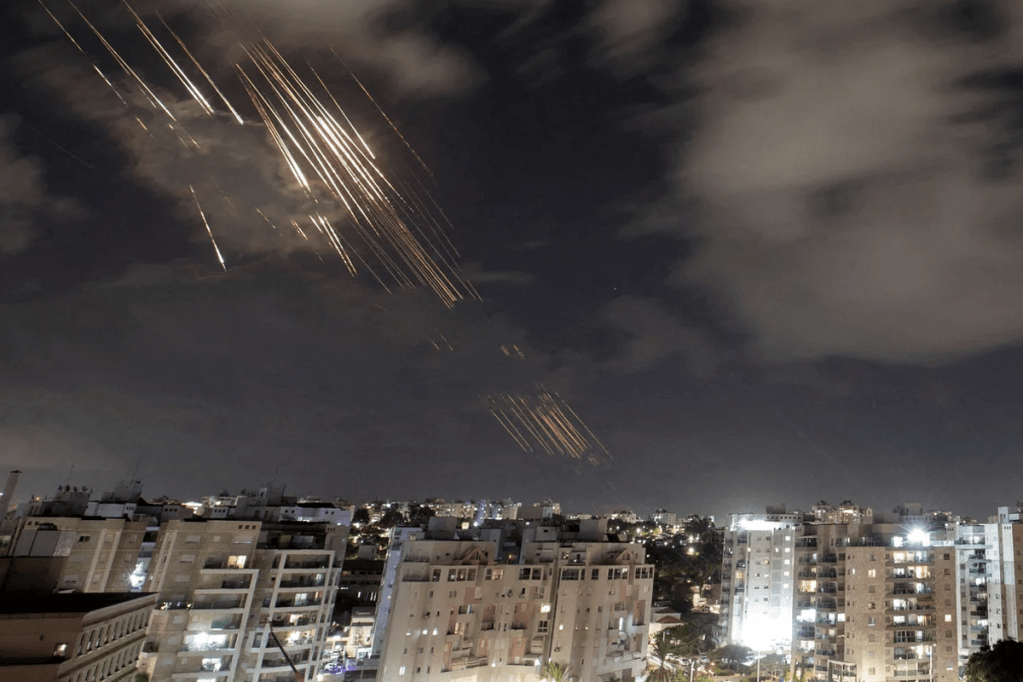
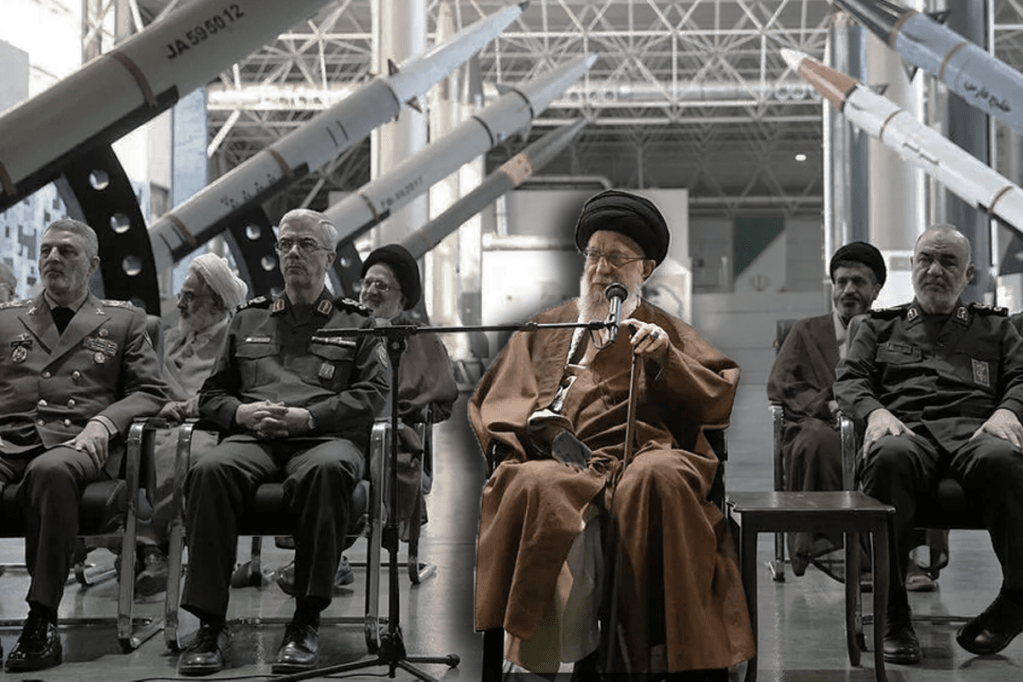
On Friday 13th June 2025, the Zionist regime launched its most aggressive attack on Iran in recent memory. Dozens of warplanes rained down over 300 bombs on Iranian military and nuclear sites, including the Natanz facility. Two top nuclear scientists, Mohammad Mehdi Tehranchi and Fereydoun Abbasi, were reportedly martyred. High-ranking military figures, including IRGC commander Hussein Salami, were also killed.
They called it Operation Rising Lion. But make no mistake—this was not just an attack on Iran’s nuclear infrastructure. It was an attack on the balance of power in the region. A calculated strike to break the spine of the so-called “Axis of Resistance.” And a move designed to reshape the Middle East according to the blueprint drafted not in Tel Aviv, but in Washington.
This Wasn’t Just About Nukes
The media will say it’s about Iran’s nuclear ambitions. “Israel” wants to stop Iran from building a bomb. The IAEA says Iran has been obstructing inspections. Western leaders echo the same tired lines about regional security and non-proliferation.
But let’s not get distracted. This was never just about uranium enrichment. This was about neutralising Iran as a geopolitical obstacle—an obstacle standing in the way of the Zionist-American project to dominate the region.
This strike comes just as nuclear negotiations were stalling. The sixth round of talks was due to take place in Muscat. Suddenly, “Israel” acts unilaterally, with clear backing from the US. Coincidence? Or calculated escalation?
Dismantling the Axis, One Strike at a Time
Since October 7th, the region has entered a dangerous new phase. The Zionist regime, emboldened by silence, normalisation, and the treachery of Muslim rulers, is now taking the fight directly to those who resist it. Iran is just the latest target.
Let’s be clear: this is part of a long-term project to dismantle the Axis of Resistance—Gaza, Lebanon, Syria, Iraq, and Iran—one by one. The ultimate goal? To remove all meaningful opposition to the occupation of Palestine and pave the way for a new regional order under the umbrella of the so-called Abraham Accords.
Iran’s Complicated Role
Iran is no saint. While it has positioned itself as a defender of Palestinian resistance, it has also played the game of geopolitics. It has exploited the space allowed by American hegemony to pursue its own nationalist agenda. Its alliances with Russia and China reflect this self-interest.
Strategically, Iran has tried to navigate within the US-led world order while opposing it just enough to maintain its credibility in the eyes of the Muslim masses. But this has placed it in a dangerous middle ground—too defiant for the West to tolerate, yet too compromised to fully lead a genuine Islamic resistance.
At the same time, let’s not fall into the trap of romanticising Iran. While it has positioned itself as a resistance power, its sectarian policies in places like Syria and Iraq have done real damage—deepening divisions within the Ummah and giving the West exactly what it wants. The American strategy has long relied on fuelling sectarian conflict to break Muslim unity, redraw the map, and keep resistance forces isolated. And when any player—be it Iran, Saudi, or others—feeds into that agenda, they end up serving the very forces they claim to oppose, even if unintentionally.
And now, Iran is paying the price.
This moment also marks the weakest Iran has been in years. Its tentacles in Lebanon, Syria, and Iraq—once the backbone of its regional influence—are now being cut off one by one. Hezbollah is under immense pressure in Lebanon, both politically and militarily. In Iraq, Iranian-backed militias have been sidelined, and internal shifts have curbed Tehran’s control. And most significantly, the fall of the Assad regime in Syria has ripped out one of Iran’s most critical strongholds, severing a vital part of the resistance axis and its direct access to the Levant. “Israel” and the US recognise this moment of vulnerability—and they’ve chosen now to strike hard, knowing Iran is strategically exposed and isolated like never before.
America’s Fingerprints Are All Over This
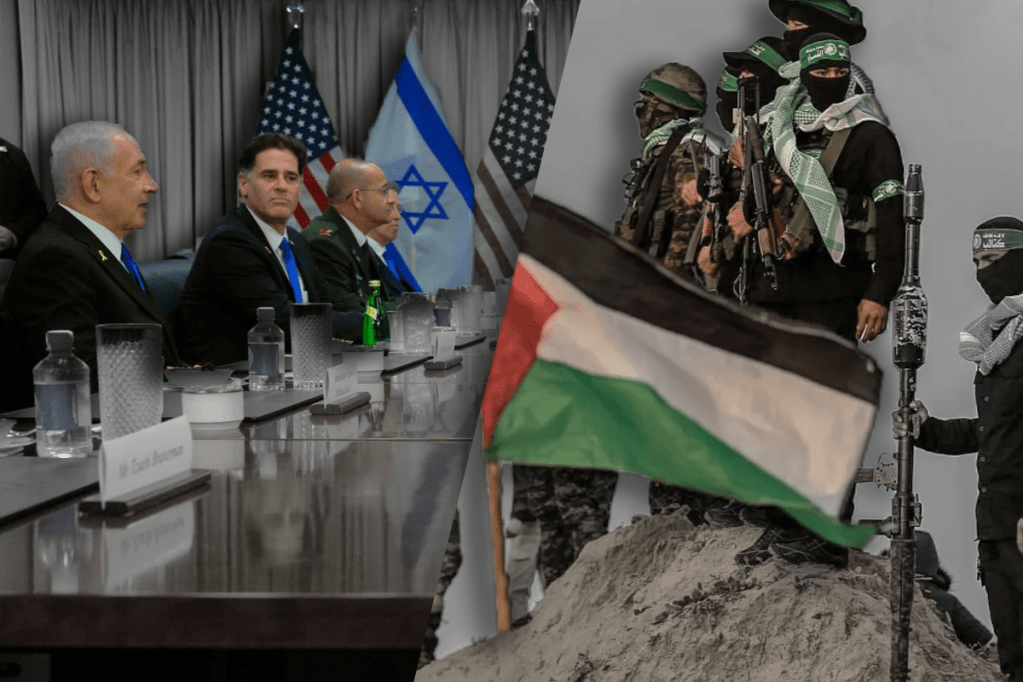
Despite the official narrative that this was a “unilateral Israeli operation,” the US was in the loop. Trump’s administration—ever hungry for political victories—needed a foreign policy “win.” Striking Iran’s nuclear programme kills two birds with one stone: it pleases domestic Zionist lobbies and gives Netanyahu a distraction from his collapsing popularity and growing isolation over Gaza.
But the US wants this operation controlled. No full-scale war. Just enough pressure to force Iran back to the negotiation table, minus its leverage. A restructured Middle East, where “Israel” is the dominant military and political power—and resistance is just a memory.
The Real Message to the Ummah
This wasn’t just a strike on Iran. It was a strike on the heart of the Ummah. A message to all Muslims: your resistance will be crushed. Your lands will be fragmented. Your rulers will stay shackled. And “Israel” will be the permanent sheriff of this region.
But here’s the reality: they don’t fear Iran’s bombs—they fear the Ummah’s awakening. They fear an Islamic political consciousness that rejects occupation, dismantles their colonial constructs, and unites under the banner of Islam.
That’s why they hit Gaza. That’s why they assassinate our scientists. That’s why they attack anyone who dares speak of Khilafah, resistance, or Islamic unity.
We Must See Beyond the Borders
This isn’t about Persian vs Arab. Sunni vs Shia. It’s about Haqq vs baatil. Colonisers vs the colonised. The oppressed vs the oppressors. If we don’t see that, we’ll keep falling into the traps of nationalism, sectarianism, and foreign narratives.
What’s happening in Iran, in Gaza, in Lebanon, in Yemen—it’s all connected. It’s all part of the same project to erase the Ummah’s power, memory, and potential.
So What Do We Do?
We don’t rely on negotiations. We don’t wait for Western powers to change their hearts. And we certainly don’t place our hopes in regimes that serve the same masters as the occupiers.
Instead, we rely on Imaan, on the sacrifices of the brave, on political clarity, and on a vision rooted in Islam—not in Western frameworks.
Because as the Qur’an reminds us:
“Allah always prevails in His purpose, though most people do not realise it.”
~ Surah Yusuf (12:21)
May Allah awaken this Ummah, expose the hypocrites in our ranks, and raise those who will liberate not just lands—but minds and systems.

 Voice Of The Ummah
Leave a comment